Vitamin D 4 - Vitamin D4 CAS:511-28-4 Active analogue of Vitamin D For Research Use High Purity Product
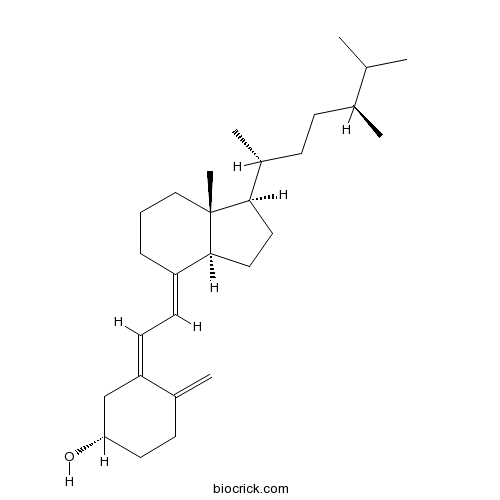
A vitamin is an organic molecule (or a set of molecules closely similar chemically, i.e. vitamers) that is an indispensable micronutrient which an organism needs in little quantities for the proper full of life of its metabolism. necessary nutrients cannot be synthesized in the organism, either at all or not in plenty quantities, and correspondingly must be obtained through the diet. Vitamin C can be synthesized by some species but not by others; it is not a vitamin in the first instance but is in the second. The term vitamin does not attach the three additional groups of necessary nutrients: minerals, essential fatty acids, and essential amino acids. Most vitamins are not single molecules, but groups of related molecules called vitamers. For example, there are eight vitamers of vitamin E: four tocopherols and four tocotrienols. Some sources list fourteen vitamins, by including choline, but major health organizations list thirteen: vitamin A (as all-trans-retinol, all-trans-retinyl-esters, as skillfully as all-trans-beta-carotene and further provitamin A carotenoids), vitamin B1 (thiamine), vitamin B2 (riboflavin), vitamin B3 (niacin), vitamin B5 (pantothenic acid), vitamin B6 (pyridoxine), vitamin B7 (biotin), vitamin B9 (folic pointed or folate), vitamin B12 (cobalamins), vitamin C (ascorbic acid), vitamin D (calciferols), vitamin E (tocopherols and tocotrienols), and vitamin K (phylloquinone and menaquinones).
Vitamins have diverse biochemical functions. Vitamin A acts as a regulator of cell and tissue addition and differentiation. Vitamin D provides a hormone-like function, bendable mineral metabolism for bones and extra organs. The B perplexing vitamins statute as enzyme cofactors (coenzymes) or the precursors for them. Vitamins C and E piece of legislation as antioxidants. Both deficient and excess intake of a vitamin can potentially cause clinically significant illness, although excess intake of water-soluble vitamins is less likely to realize so.
Before 1935, the deserted source of vitamins was from food. If intake of vitamins was lacking, the consequences was vitamin deficiency and consequent dearth diseases. Then, commercially produced tablets of yeast-extract vitamin B highbrow and semi-synthetic vitamin C became available.
This was followed in the 1950s by the increase production and promotion of vitamin supplements, including multivitamins, to prevent vitamin deficiencies in the general population. Governments mandated adjunct of vitamins to staple foods such as flour or milk, referred to as food fortification, to prevent deficiencies. Recommendations for folic prickly supplementation during pregnancy edited risk of infant neural tube defects.
The term vitamin is derived from the word vitamine, which was coined in 1912 by Polish biochemist Casimir Funk, who deserted a obscure of micronutrients critical to life, every of which he presumed to be amines. in the same way as this presumption was progressive distinct not to be true, the "e" was dropped from the name. every vitamins were discovered (identified) amid 1913 and 1948.
Source Naturals Vitamin D-3 4 fl oz (118.28 mL) Liquid - Swanson®

D4 vitamini — Stok Foto © conceptw #48718173

Vitamin D4 in Mushrooms (PDF Download Available)


Comments
Post a Comment