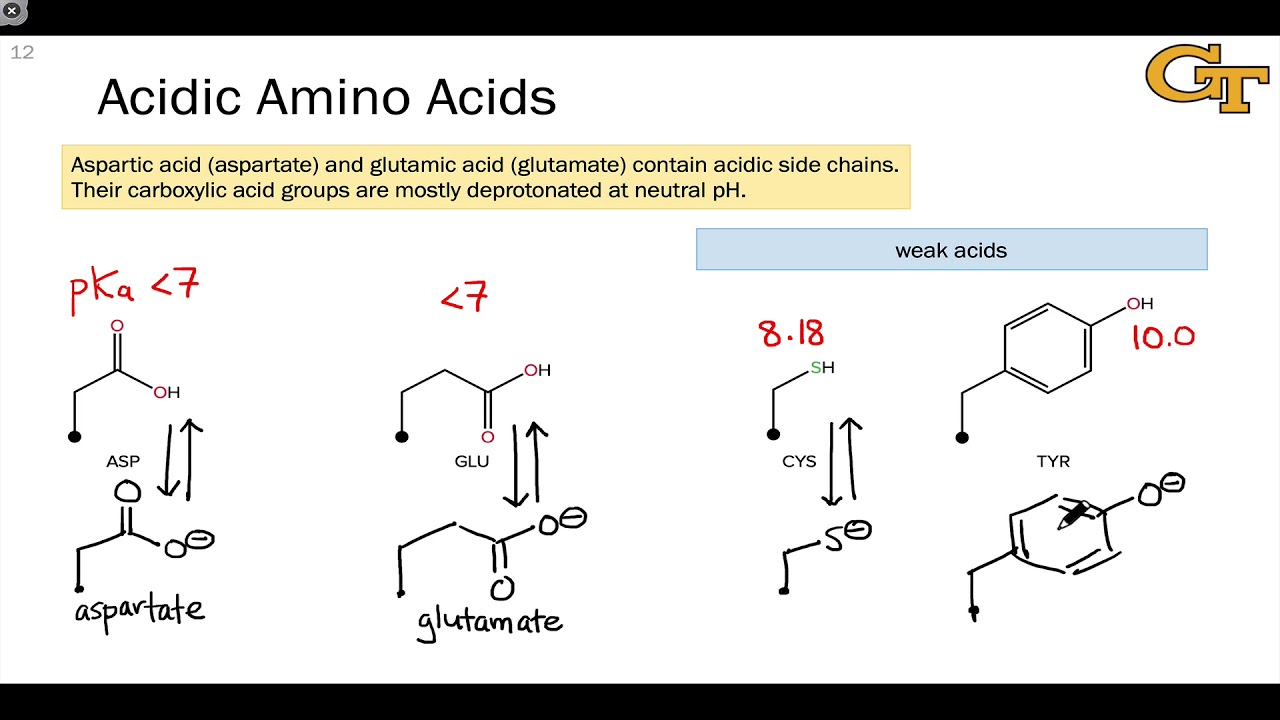
Amino acids are organic compounds that contain amine (NH2) and carboxyl (COOH) committed groups, along like a side chain (R group) specific to each amino acid.[1][2] The key elements of an amino barbed are carbon (C), hydrogen (H), oxygen (O), and nitrogen (N), although extra elements are found in the side chains of positive amino acids. just about 500 naturally occurring amino acids are known (though only 20 appear in the genetic code) and can be classified in many ways. They can be classified according to the core structural on the go groups' locations as alpha- (-), beta- (-), gamma- (-) or delta- (-) amino acids; additional categories relate to polarity, pH level, and side chain intervention type (aliphatic, acyclic, aromatic, containing hydroxyl or sulfur, etc.). In the form of proteins, amino prickly residues form the second-largest component (water is the largest) of human muscles and other tissues. more than their role as residues in proteins, amino acids participate in a number of processes such as neurotransmitter transport and biosynthesis.
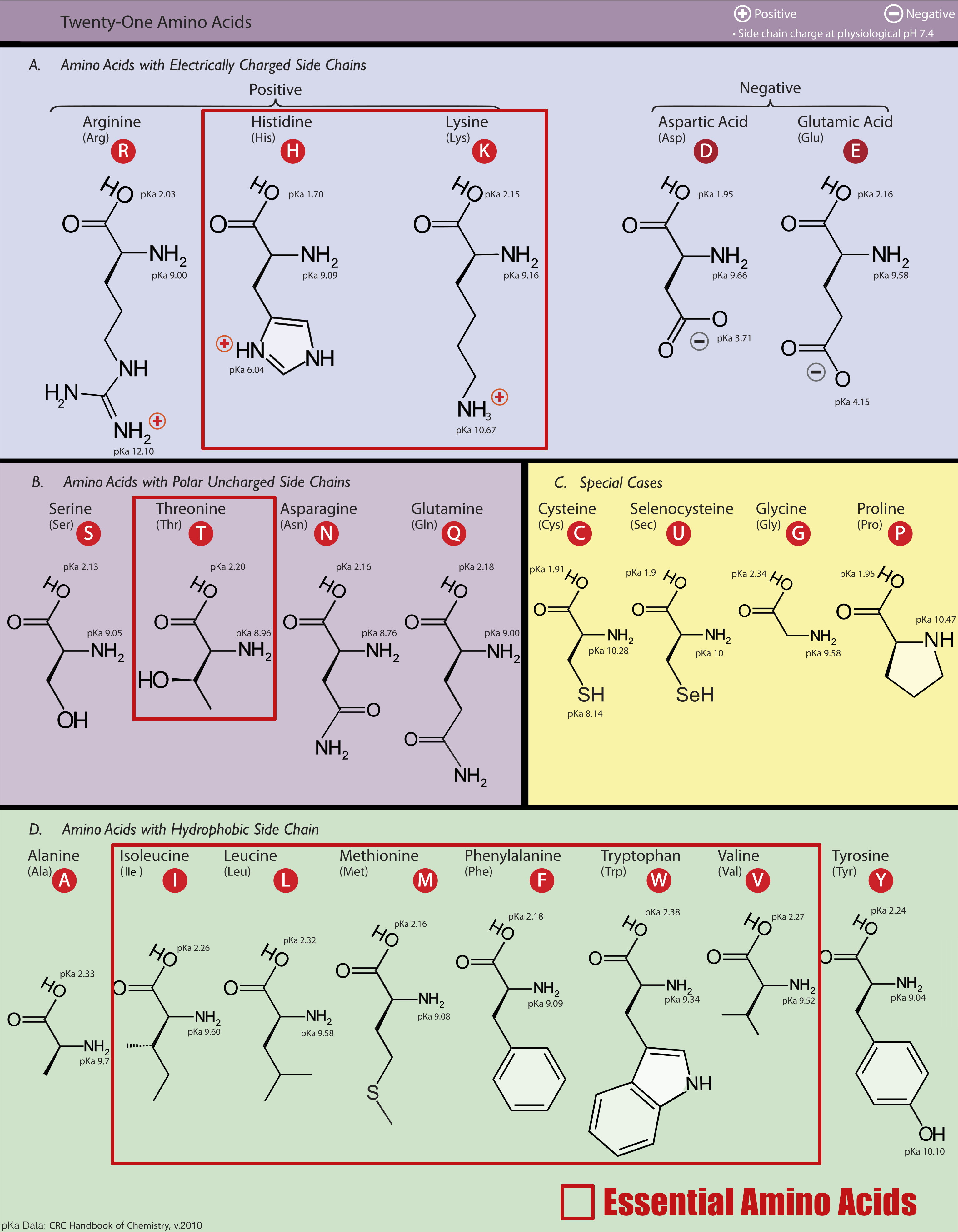
In biochemistry, amino acids which have the amine bureau attached to the (alpha-) carbon atom next to the carboxyl action have particular importance. They are known as 2-, alpha-, or -amino acids (generic formula H2NCHRCOOH in most cases,[a] where R is an organic substituent known as a "side chain"); often the term "amino acid" is used to adopt specifically to these. They enlarge the 22 proteinogenic ("protein-building") amino acids,which combine into peptide chains ("polypeptides") to form the building blocks of a vast array of proteins. These are every L-stereoisomers ("left-handed" isomers), although a few D-amino acids ("right-handed") occur in bacterial envelopes, as a neuromodulator (D-serine), and in some antibiotics.
Twenty of the proteinogenic amino acids are encoded directly by triplet codons in the genetic code and are known as "standard" amino acids. The extra two ("nonstandard" or "non-canonical") are selenocysteine (present in many prokaryotes as skillfully as most eukaryotes, but not coded directly by DNA), and pyrrolysine (found and no-one else in some archaea and one bacterium). Pyrrolysine and selenocysteine are encoded via variant codons; for example, selenocysteine is encoded by stop codon and SECIS element. N-formylmethionine (which is often the initial amino cutting of proteins in bacteria, mitochondria, and chloroplasts) is generally considered as a form of methionine rather than as a sever proteinogenic amino acid. CodontRNA combinations not found in nature can as a consequence be used to "expand" the genetic code and form novel proteins known as alloproteins incorporating non-proteinogenic amino acids.
Protein—A Most Confusing Word - Hormones Matter
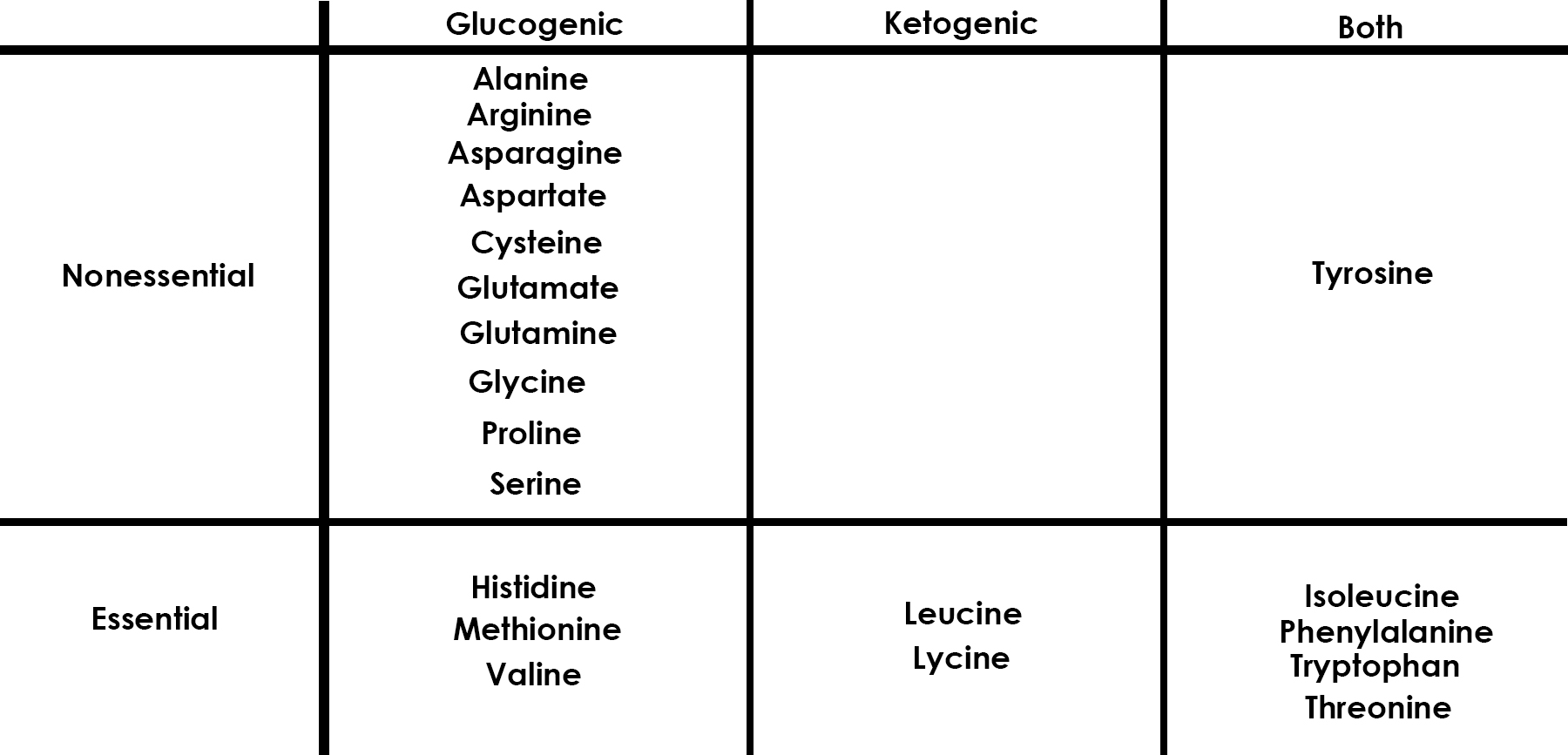
NutraBio Alpha EAA: Nootropic-Powered Amino Workout Supplement
Protein—A Most Confusing Word - Hormones Matter


Comments
Post a Comment