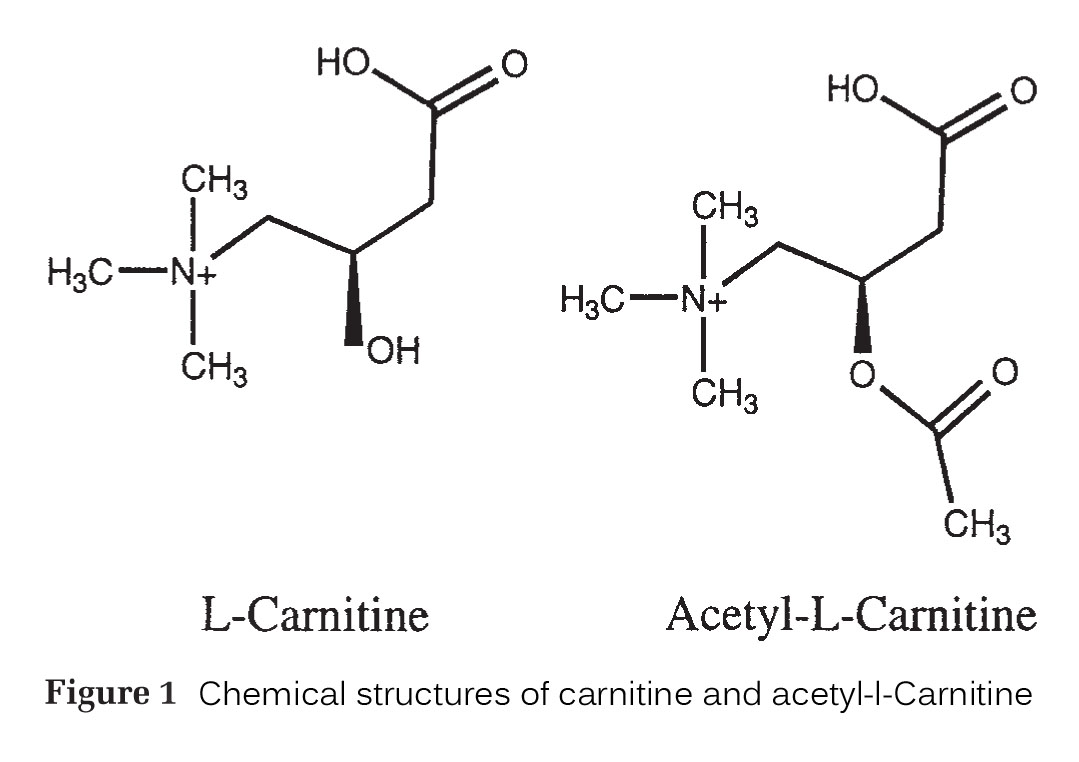
Acetyl-L-Carnitine - How Does L-Carnitine and Acetyl L Carnitine Help Improve Heart Health?

How Does L-Carnitine and Acetyl L Carnitine Help Improve Heart Health?

Amino acids are organic compounds that contain amine (NH2) and carboxyl (COOH) functioning groups, along considering a side chain (R group) specific to each amino acid.[1][2] The key elements of an amino critical are carbon (C), hydrogen (H), oxygen (O), and nitrogen (N), although further elements are found in the side chains of definite amino acids. virtually 500 naturally stirring amino acids are known (though without help 20 appear in the genetic code) and can be classified in many ways. They can be classified according to the core structural keen groups' locations as alpha- (-), beta- (-), gamma- (-) or delta- (-) amino acids; other categories relate to polarity, pH level, and side chain organization type (aliphatic, acyclic, aromatic, containing hydroxyl or sulfur, etc.). In the form of proteins, amino mordant residues form the second-largest component (water is the largest) of human muscles and other tissues. over their role as residues in proteins, amino acids participate in a number of processes such as neurotransmitter transport and biosynthesis.

In biochemistry, amino acids which have the amine bureau attached to the (alpha-) carbon atom next-door to the carboxyl action have particular importance. They are known as 2-, alpha-, or -amino acids (generic formula H2NCHRCOOH in most cases,[a] where R is an organic substituent known as a "side chain"); often the term "amino acid" is used to concentrate on specifically to these. They tally the 22 proteinogenic ("protein-building") amino acids,which combine into peptide chains ("polypeptides") to form the building blocks of a enormous array of proteins. These are all L-stereoisomers ("left-handed" isomers), although a few D-amino acids ("right-handed") occur in bacterial envelopes, as a neuromodulator (D-serine), and in some antibiotics.

Twenty of the proteinogenic amino acids are encoded directly by triplet codons in the genetic code and are known as "standard" amino acids. The other two ("nonstandard" or "non-canonical") are selenocysteine (present in many prokaryotes as skillfully as most eukaryotes, but not coded directly by DNA), and pyrrolysine (found on your own in some archaea and one bacterium). Pyrrolysine and selenocysteine are encoded via variant codons; for example, selenocysteine is encoded by end codon and SECIS element. N-formylmethionine (which is often the initial amino mordant of proteins in bacteria, mitochondria, and chloroplasts) is generally considered as a form of methionine rather than as a surgically remove proteinogenic amino acid. CodontRNA combinations not found in natural world can as a consequence be used to "expand" the genetic code and form novel proteins known as alloproteins incorporating non-proteinogenic amino acids.

 Acetyl-L-Carnitine 500mg, 60 capsules - ZeinPharma - VitalAbo Online Shop Europe

Acetyl-L-Carnitine 500mg, 60 capsules - ZeinPharma - VitalAbo Online Shop Europe


 Primaforce, ALCAR, Acetyl-L-Carnitine, Unflavored, Powder, 250 g - iHerb
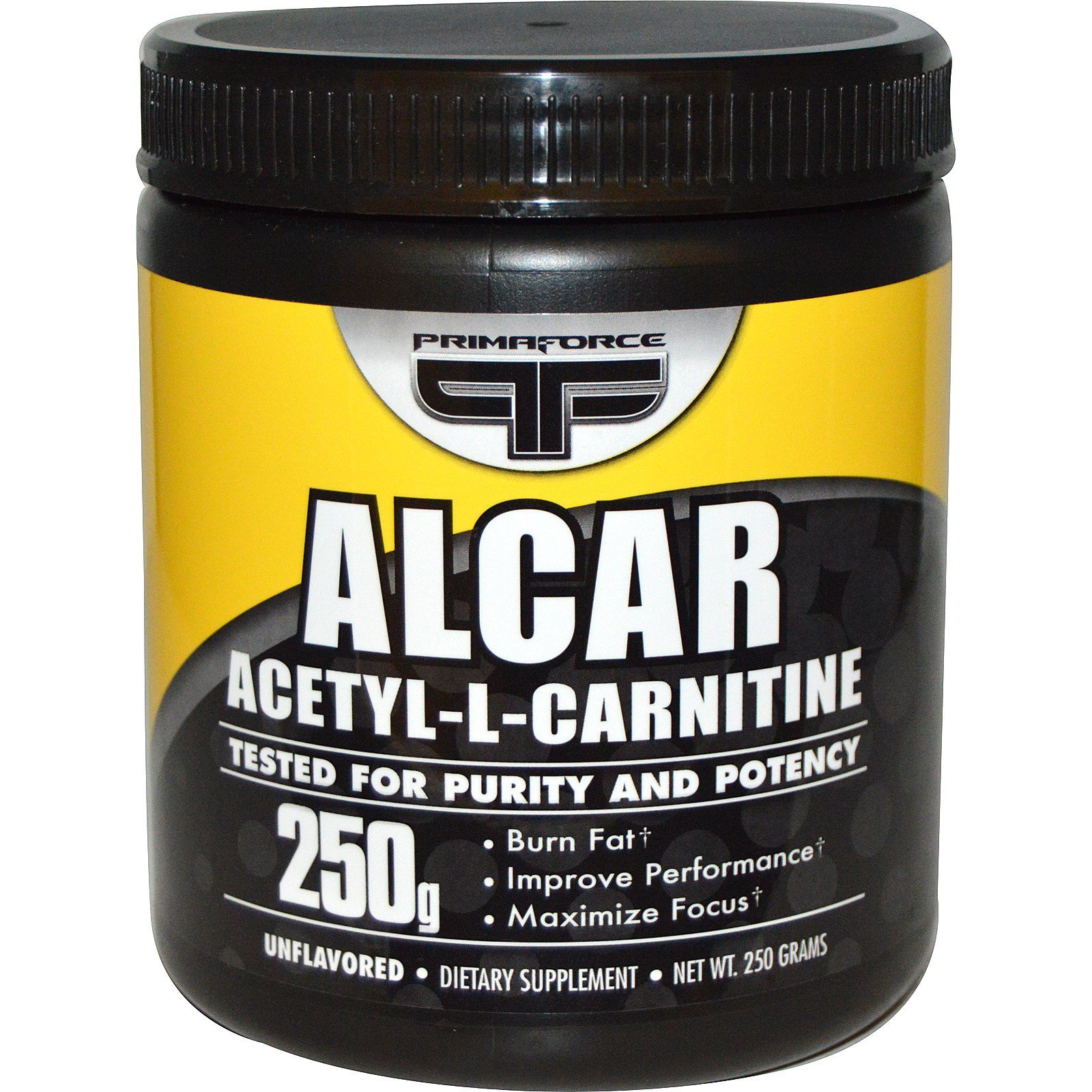
Primaforce, ALCAR, Acetyl-L-Carnitine, Unflavored, Powder, 250 g - iHerb


 Acetyl L-Carnitine 1000 mg, Lemonade Flavor - 16 fl. oz (480 ml)

Acetyl L-Carnitine 1000 mg, Lemonade Flavor - 16 fl. oz (480 ml)


Comments

Popular posts from this blog

Vitamin D3 - Vitamin D3 (Cholecalciferol) 10000 IU By Solgar - 120 Softgels

A vitamin is an organic molecule (or a set of molecules nearby linked chemically, i.e. vitamers) that is an critical micronutrient which an organism needs in small quantities for the proper committed of its metabolism. necessary nutrients cannot be synthesized in the organism, either at every or not in tolerable quantities, and thus must be obtained through the diet. Vitamin C can be synthesized by some species but not by others; it is not a vitamin in the first instance but is in the second. The term vitamin does not supplement the three extra groups of essential nutrients: minerals, indispensable fatty acids, and vital amino acids. Most vitamins are not single molecules, but groups of aligned molecules called vitamers. For example, there are eight vitamers of vitamin E: four tocopherols and four tocotrienols. Some sources list fourteen vitamins, by including choline, but major health organizations list thirteen: vitamin A (as all-trans-retinol, all-trans-retinyl-esters, as with ease ...

Vitamin C 1000mg & Zinc 15mg. Orange Flavour Effervescent Tablets - High Strength Tablets for a Healthy Immune System - 6 ...

Special Offer for Vitamin C 1000mg & Zinc 15mg. Orange Flavour Effervescent Tablets - High Strength Tablets for a Healthy Immune System - 6 ... If You search information for Zinc, then Vitamin C 1000mg & Zinc 15mg. Orange Flavour Effervescent Tablets - High Strength Tablets for a Healthy Immune System - 6 ... may be make you like Buy Vitamin C 1000mg & Zinc 15mg. Orange Flavour Effervescent Tablets - High Strength Tablets for a Healthy Immune System - 6 ... Right Here and Right Now Because before price is changed at anytime without notice or this item will sold out. who is know? If You Buy it Now you just Pay Click Here , the price may be change or stock may be sold out at any time. we all dont know the Future.   Addition Information Click Now Kategory : Zinc Ranking : 1 SKU / ASIN : B00V6H3N5K Rate : 4.6 out of 5 stars from buyers Price :   Click Now    

Vitamin D3 - Vitamin D3 2000 IU + Vitamin K2 – Vitalité Now!

A vitamin is an organic molecule (or a set of molecules next to related chemically, i.e. vitamers) that is an valuable micronutrient which an organism needs in little quantities for the proper enthusiastic of its metabolism. necessary nutrients cannot be synthesized in the organism, either at every or not in plenty quantities, and hence must be obtained through the diet. Vitamin C can be synthesized by some species but not by others; it is not a vitamin in the first instance but is in the second. The term vitamin does not append the three additional groups of indispensable nutrients: minerals, indispensable fatty acids, and vital amino acids. Most vitamins are not single molecules, but groups of partnered molecules called vitamers. For example, there are eight vitamers of vitamin E: four tocopherols and four tocotrienols. Some sources list fourteen vitamins, by including choline, but major health organizations list thirteen: vitamin A (as all-trans-retinol, all-trans-retinyl-esters, as...